Do you own a mixed-use building in NYC and wonder which refinance path fits best? You are not alone. With a ground-floor storefront and apartments upstairs, the right loan depends on tenancy, income stability, and your goals. In this guide, you will learn how portfolio bank loans, DSCR products, and SBA options stack up, when cash-out makes sense, and how to prep for underwriting. Let’s dive in.
NYC Mixed-use, at a glance
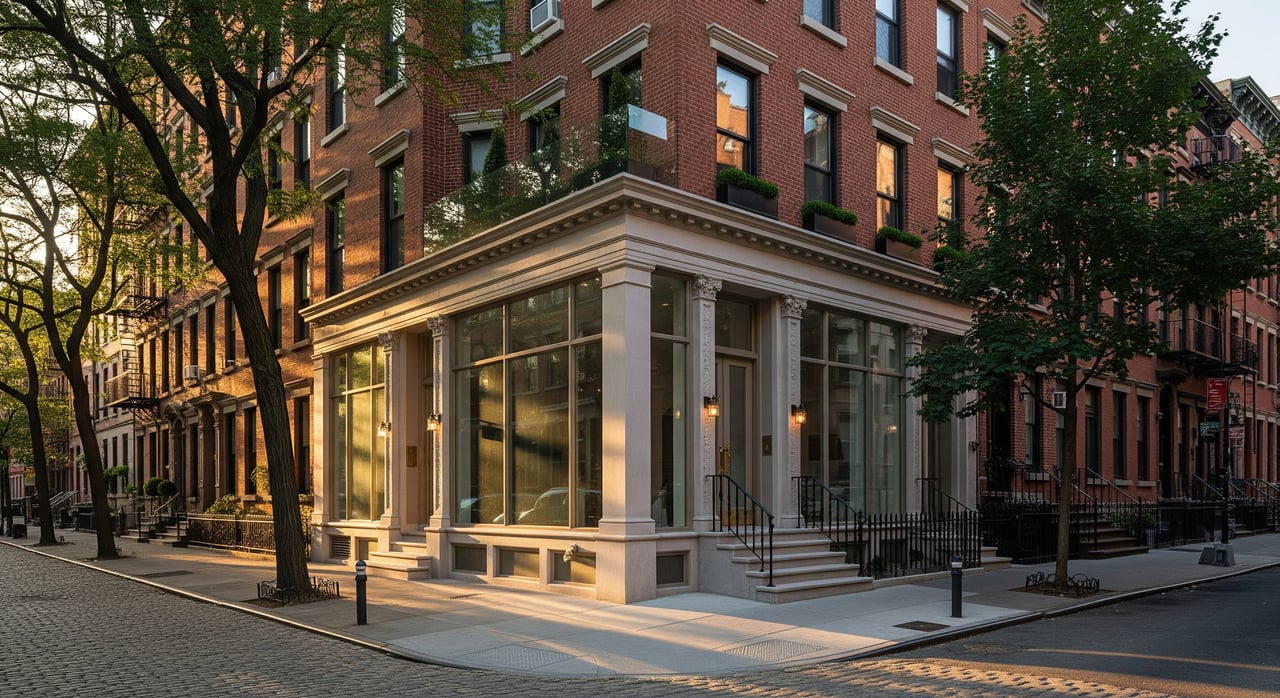
Most buildings along main corridors combine street-facing retail with one or more residential units. Retail leases often run 1 to 5 years, and essential uses like grocery or pharmacy tend to be steadier than restaurants or boutiques. Residential leases are usually annual and often renew. Lenders will focus on NOI stability, current leases, and legal use, so clean documentation helps you secure better terms.
Key diligence items include your certificate of occupancy, lease forms, rent rolls, separate meters for commercial and residential, and any DOB or HPD violations. Zoning compliance and legal apartment status also matter. Proximity to transit and strong foot traffic are positives for underwriting.
Which loan fits your tenancy?
Portfolio bank loans: flexibility for local nuance
Local and regional banks that keep loans on their books can be more flexible with mixed-use. They review your credit, experience, leases, rent roll, C of O, and building compliance, and they value local knowledge of 4th and 5th Avenue retail dynamics. Typical structures include 5 to 10 year fixed or floating terms with 20 to 30 year amortization.
Pros include practical treatment of unique building layouts and short retail leases if you have a strong relationship and a stabilized rent roll. Banks can move quickly when decisions are made locally. The trade-off is documentation can be thorough, and pricing varies with market appetite.
Best fit: you have mixed tenancy with moderate NOI variability, want a pragmatic lender, or your asset does not align with agency or SBA rules.
DSCR loans: income-driven and streamlined
DSCR lenders size the loan primarily to property cash flow rather than your personal tax returns. They focus on the debt-service coverage ratio and typically want stabilized, verifiable income with realistic vacancy and expense assumptions. Some offer light documentation and, at times, limited recourse structures.
Pros include speed and less personal income paperwork. Cons include conservative underwriting for retail, especially restaurants, and potentially higher rates or fees if DSCR is tight. Lenders often look for DSCR in the roughly 1.0 to 1.25 range, though exact thresholds vary by lender and asset risk.
Best fit: you are an investor landlord with stable rents and want a faster, income-based refinance for rate/term or modest cash-out.
SBA owner-user: if you occupy the store
SBA 7(a) and 504 programs are designed for businesses that occupy a significant portion of the property. These pathways prioritize the operating company’s credit and cash flow, and they require personal guarantees. The 504 structure often pairs a bank first mortgage with a long-term fixed second from a CDC.
Pros include competitive long-term fixed rates, long amortizations, and potential for higher total leverage in combined structures. Cons include strict owner-occupancy and use-of-proceeds rules, more paperwork, and longer timelines. Cash-out is typically limited to qualified business needs.
Best fit: you run the ground-floor business, meet occupancy rules, and want lower monthly payments or capital for expansion or improvements.
Cash-out vs rate/term: choose with DSCR in mind
How cash-out affects DSCR
Cash-out increases your loan amount and monthly payment, which can push DSCR below lender minimums if NOI is steady. Even a modest increase in debt service matters.
For example, if current NOI is 120,000 and annual debt service is 72,000, DSCR equals 1.67. If cash-out raises annual debt service to 96,000, DSCR drops to 1.25. Many DSCR lenders evaluate whether 1.25 meets their floor, while portfolio banks may consider strengths like your experience and banking relationship.
When rate/term is smarter
Choose rate/term if your main goal is lower payments through a better rate or longer amortization, and you do not need immediate liquidity. It is also the safer path when retail income is uneven or leases are short. Preserving DSCR headroom gives you options if a storefront turns over.
When cash-out works
Cash-out can be worthwhile when proceeds fund improvements that drive NOI, such as storefront upgrades, residential unit legalization, or targeted renovations. It can also retire high-cost debt if your DSCR remains healthy. For owner-operators whose business occupies the commercial portion, SBA can be a fit when proceeds support expansion within program rules.
Real Mixed-Use scenarios
- Scenario A: You have stable residential tenants and an essential retail tenant like grocery. DSCR lenders may allow modest cash-out at acceptable DSCR, and a portfolio bank may compete strongly.
- Scenario B: You run a bakery in the ground floor and occupy most of the commercial space. SBA 7(a) or 504 can offer longer amortization, lower payments, and qualifying business-use proceeds.
- Scenario C: You recently had a restaurant vacancy and new retail leases are short. Focus on a rate/term refinance or wait for stabilization. A local portfolio bank that understands corridor retail may offer the best path.
Your decision framework
- Step 1: Inventory tenancy and income stability. Identify owner-occupied space, essential versus discretionary retail, and whether any apartments are rent stabilized.
- Step 2: Set your goal. Lower payments, extend amortization, extract cash for business or capex, or consolidate debt.
- Step 3: Map goals to products. Owner-occupier with business proceeds, evaluate SBA. Investor using property income with lighter documentation, consider DSCR. Complex tenancy or legal nuance, talk to local portfolio banks.
- Step 4: Run sensitivity tests. Model post-refi DSCR and LTV with conservative vacancy and expense assumptions. Establish a maximum cash-out that maintains lender minimums.
- Step 5: Engage lenders and advisers. Compare quotes, fees, timelines, prepayment penalties, and recourse across at least one local bank, one DSCR lender, and an SBA lender if relevant.
Due diligence checklist
- Property documents: current mortgage statements, payoff amount, title and survey if available.
- Leases and rent roll: executed leases, deposits, rent history, and any month-to-month situations.
- Financials: 2 to 3 years income and expense statements, operating statements, and a pro forma if planning capex.
- Borrower: tax returns, personal financial statement, entity documents.
- Building compliance: certificate of occupancy, DOB open permits or violations, HPD registration, rent stabilization documentation if applicable.
- Use of proceeds: a clear plan for any cash-out and how it supports NOI or business needs.
- Insurance and environmental: current policies and any environmental reports if required.
Timing and costs to expect
- Portfolio bank: often the fastest, from weeks to about two months when underwriting is local. Upfront costs include appraisal, title, legal, and lender fees.
- DSCR lenders: typically 30 to 60 days with streamlined documentation. Expect appraisal, title, legal, and lender fees.
- SBA 7(a) or 504: often 60 to 120 days or more due to guaranty and CDC review. Fees include typical closing costs plus SBA-related fees that can be offset by longer amortization and lower monthly payments.
Local risks
- Rent stabilization: if apartments are rent stabilized, lenders will underwrite rent growth conservatively. Confirm regulatory status early.
- Certificate of occupancy and legal use: mixed-use buildings can have nonconforming uses or old conversions. Clean C of O is crucial for underwriting and closing.
- Retail tenant risk: small neighborhood retail can be resilient, but restaurants carry higher turnover and capex. Expect more conservative vacancy and expense assumptions.
- Property condition: older walk-ups may need façade, roof, or mechanical work. Lenders may require reserves or completion escrows.
- Market and regulatory shifts: track local retail leasing trends, zoning updates, and policy changes that could affect NOI.
Ready to choose a path for your NYC property? If you want a side-by-side look at bank, DSCR, and SBA quotes with clear DSCR and LTV modeling, reach out to The CS Organization. Our Brooklyn-based team blends neighborhood knowledge with capital advisory to help you execute quickly and confidently.
The CS Organization | Request a Valuation / Schedule a Consultation
FAQs
What is a DSCR loan for mixed-use properties?
- It is a loan sized primarily to your property’s net operating income, with lenders targeting a minimum DSCR and underwriting to stabilized, verifiable rents and realistic vacancy and expenses.
Can you use SBA to refinance a mixed-use building in Greenwood Heights?
- Yes, if your operating business occupies a significant portion and proceeds primarily support that business, with SBA 7(a) or 504 fitting different needs and timelines.
What documents do lenders ask for when refinancing a mixed-use property?
- Expect leases, rent rolls, 2 to 3 years of financials, borrower financials, certificate of occupancy, compliance records, and a clear use-of-proceeds plan.
How do lenders view restaurant tenants?
- They often apply more conservative vacancy and expense assumptions due to higher turnover and capex, which can reduce loan proceeds unless the rest of the rent roll is stable.
What if your apartments are rent stabilized?
- Lenders typically underwrite rent growth conservatively and focus on compliance and documentation, which can limit upside but support stability.
How long does a refinance take in Brooklyn?
- Portfolio and DSCR loans can close in roughly 30 to 60 days depending on documentation, while SBA pathways often take 60 to 120 days or more.