Looking at Sunset Park for your next mixed-use buy? You are not alone. Investors see steady apartment income paired with storefront upside along the neighborhood’s busy avenues. The key is knowing where the income really comes from, what zoning allows on each block, how lenders are viewing retail in 2025, and which due diligence items protect your downside. This guide gives you a clear, deal-focused roadmap tailored to Sunset Park. Let’s dive in.
Why Sunset Park attracts investors
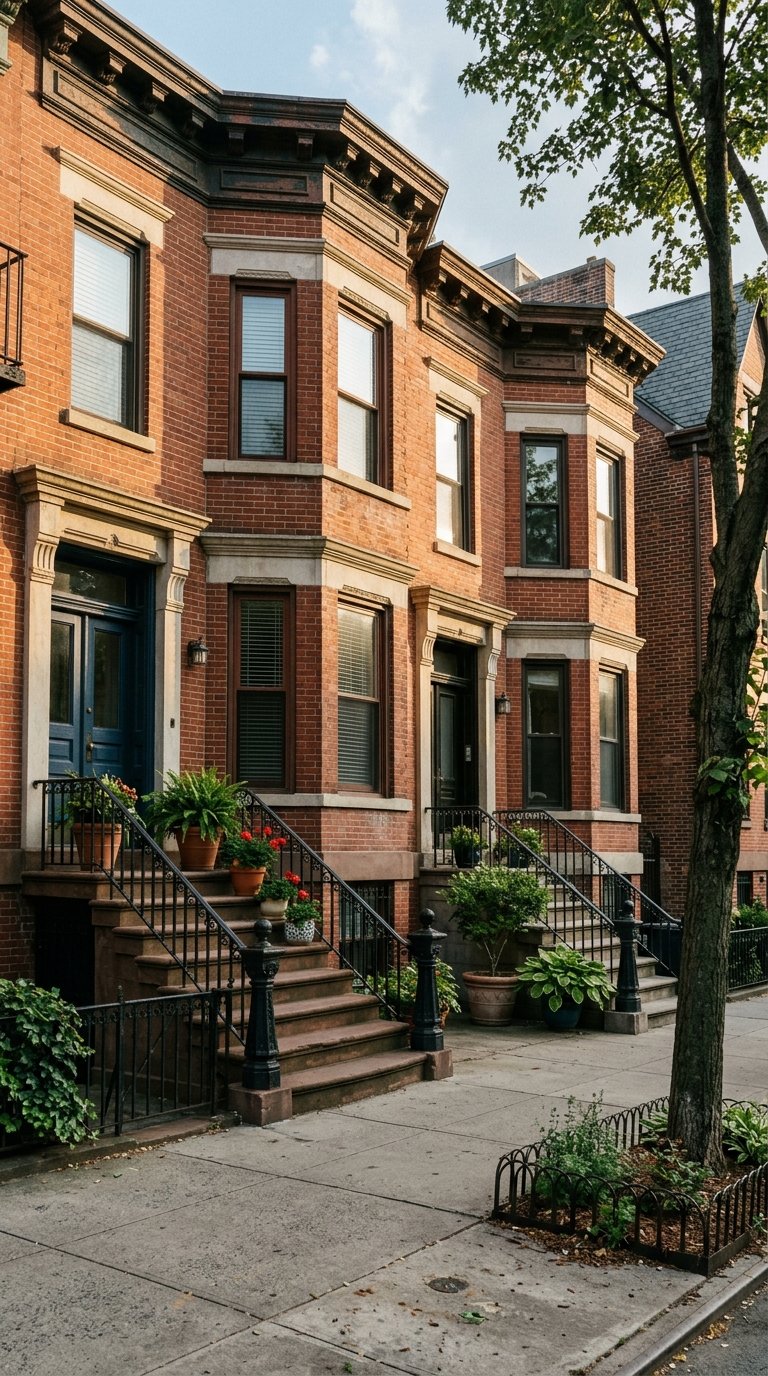
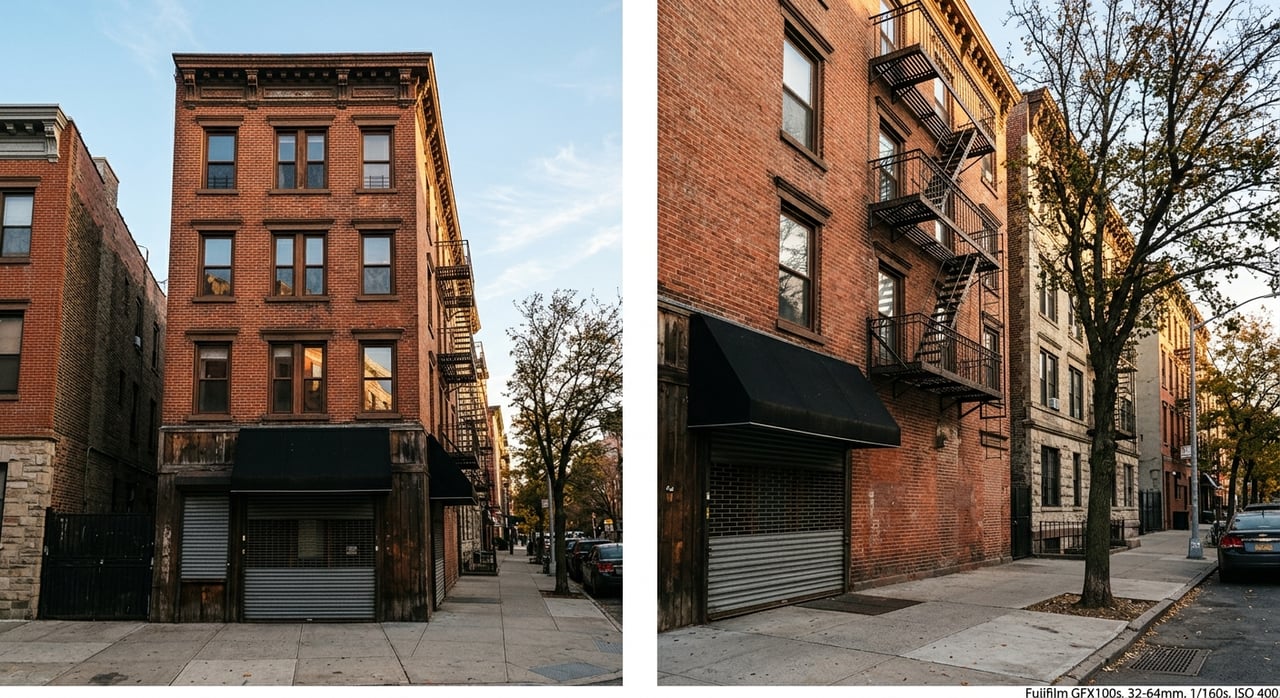
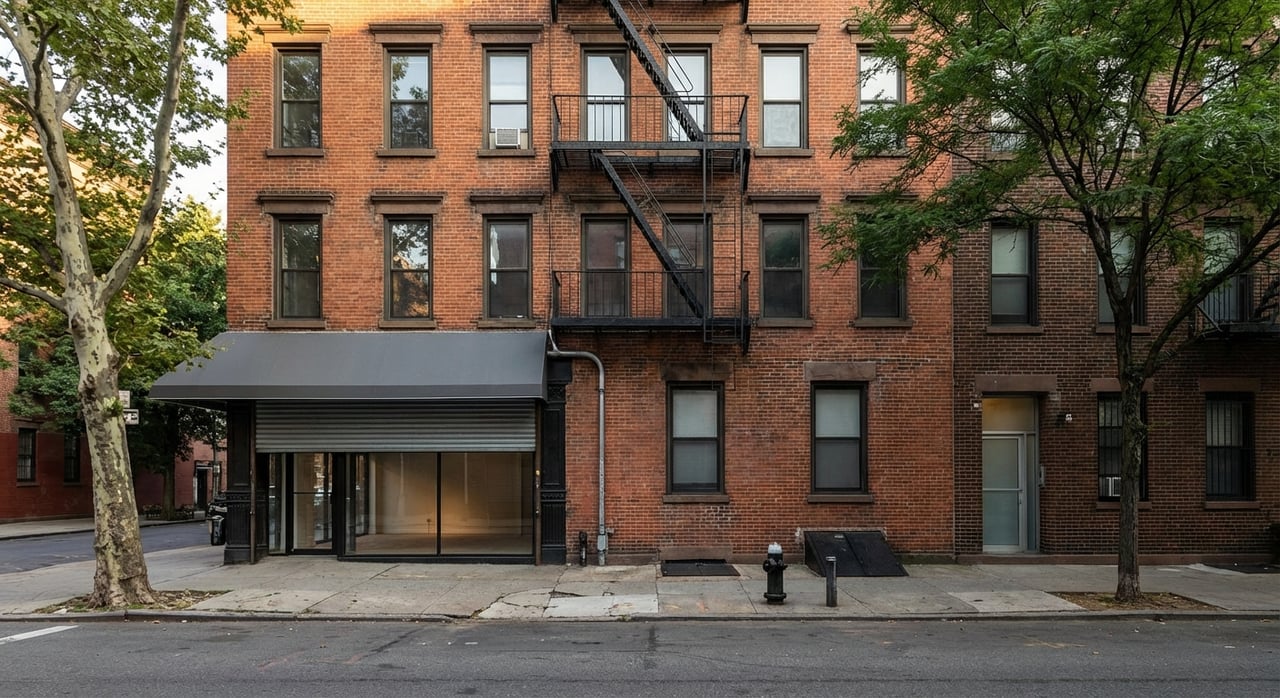
Sunset Park blends residential blocks with active retail corridors and a working waterfront. Commercial storefronts cluster along Fourth, Fifth, Seventh and Eighth Avenues, while many side streets are lined with rowhouses and small apartment buildings. The western edge remains more industrial near Industry City and Bush Terminal, which shapes how tenants live, work and shop nearby. That mix is why most small assets are classic corner buildings with one or two storefronts below and several apartments above.
The waterfront campus at Industry City has become a major demand driver. As of April 2025, Industry City reported 650-plus businesses across the campus, adding jobs, foot traffic and daily activity that spill into nearby avenues. For owners, that can mean stronger daytime demand for restaurants and service retail near the campus and more visibility for well-positioned storefronts. You can reference the headline numbers directly from the operator’s update in the Industry City press release at the time: Industry City surpassed 650 businesses.
Neighborhood rent levels historically trail higher-cost parts of Brownstone Brooklyn, which helps sustain tenant demand for older walk-up apartments above retail. Use recent asking trends as a sanity check when you review rent rolls and model renewals. The basic idea: the apartment income keeps the lights on, while a good storefront lease can lift total yield.
Asset types and rent rolls you will see
Most small mixed-use buildings in Sunset Park follow a familiar pattern:
- One or two ground-floor storefronts, roughly 700 to 2,500 square feet each depending on corner or mid-block frontage.
- Two to eight residential units on the upper floors, often floor-through one- or two-bedrooms.
Retail often commands higher per-square-foot rents than apartments, but it brings shorter leases and higher turnover and may require larger landlord capital expenditures. A single restaurant tenant can support strong income, but it can also raise complexity. That risk-return balance is why lenders and buyers scrutinize tenant type, lease term, and credit so closely.
When you underwrite, triangulate residential rents using recent neighborhood medians and current listings, then test commercial rents against multiple comps and a vacancy stress. If a large share of your net operating income comes from one storefront, model a downtime and re-tenanting allowance so your DSCR still works.
Zoning and land use basics
Sunset Park’s zoning is a patchwork. Contextual residential districts cover most side streets, while commercial overlays line the avenues and the waterfront remains largely mapped for manufacturing and light industrial uses. That is why retail is corridor-focused and why west-of-Third Avenue parcels often come with industrial constraints.
- 2009 rezoning shaped today’s overlay pattern. The neighborhood’s contextual residential mapping and commercial overlays largely stem from that period. For a high-level legal summary of the rezoning environment, see the discussion in Chinese Staff & Workers’ Assn. v. Burden.
- Industry City rezoning proposals were withdrawn after community pushback, so no large upzoning has been implemented. The owner’s capital program still drives demand and activity on the waterfront. You can review public records of the application in NYC Council Legistar.
Practical checks before you bid:
- Confirm allowed ground-floor uses under the mapped commercial overlay. C2 and C4 overlays typically permit neighborhood retail and restaurants, but depth varies and M-zoned blocks can limit retail.
- Verify FAR and buildability. Many lots are 20 feet wide. Without lot assembly or a deep overlay on an avenue, redevelopment upside is often modest.
- Pull DOB history, Certificate of Occupancy and open violations. Unpermitted storefront work, illegal unit conversions and non-compliant kitchen exhaust routes are common issues that can stall financing and delay closing.
Retail mix, NOI and restaurant realities
Typical tenants include convenience and service users such as grocery, pharmacies, personal care, takeout restaurants and laundromats, plus occasional bank or national service users. Food uses can often pay more, but they come with higher capex and compliance responsibilities.
If you inherit or plan for a restaurant tenant, budget realistically for:
- Kitchen hoods and ventilation routing to the roof
- Fire suppression systems and tags
- Grease traps and plumbing upgrades
- Rooftop fan access and structural support
- Ongoing FDNY and NFPA cleaning and inspection cadence
NYC enforcement is active, and inspectors can shut a kitchen that is out of compliance. Build a capital reserve and confirm vendor records for service and cleaning. For a practical overview of compliance expectations, see this service resource on hood, vent and fire suppression programs.
Financing landscape in 2025
Capital markets tightened through 2024, and borrowers have been navigating a heavy maturity calendar into 2025. The Mortgage Bankers Association reported an increase in commercial and multifamily mortgage debt outstanding through the third quarter of 2024, with banks still key holders and private debt stepping in where needed. For national context, review the MBA’s update on commercial and multifamily mortgage debt outstanding.
What that means for a Sunset Park mixed-use loan:
- Community banks remain active for smaller balances, often with recourse and conservative DSCR. They will push on retail exposure and restaurant tenancy.
- Agency products are often not a fit for buildings with limited residential count or high non-residential share. Review program rules carefully if you have 5-plus units and minimal commercial area.
- Life companies focus on larger, stabilized assets with long-term credit.
- Private credit and bridge lenders are filling refinance gaps and funding repositionings at higher spreads and with tighter covenants. For a practical take on the environment, read this overview of the 2025 maturity backdrop and bridge dynamics from F2H Capital.
Lender documentation and underwriting themes:
- Expect requests for signed leases, tenant estoppels for every storefront, copies of personal guarantees, and recent bank statements from retail tenants.
- Lenders often cap the NOI contribution from commercial space or underwrite higher vacancy to account for turnover risk.
- DSCR stress tests are common. For a window into how capital markets sensitize DSCR and LTV, review a sample term sheet in this SEC-filed offering document.
Due diligence checklist before you commit
Work through this list early so surprises do not surface mid-escrow:
- Legal and leases
- Full tenant estoppels and executed leases
- Security deposit records and guarantor documentation
- Use clauses, assignment rights, termination triggers
- Clarify gross vs. NNN for each storefront
- Rent regulation
- DHCR histories and registrations for each residential unit
- Confirm legal rent status and renewal history
- DOB, FDNY and violations
- Certificate of Occupancy and DOB job filings
- Open ECB, HPD and DOB violations
- Restaurant hood, duct and suppression service logs with current tags
- Environmental
- Order a Phase I ESA, escalate to Phase II if flags appear
- Consider waterfront fill, truck routes and historic industrial uses that can affect air, noise and odor
- For neighborhood context, see Sunset Park’s land use history
- Physical and systems
- Roof, parapet and façade condition, especially at corners with hood penetrations
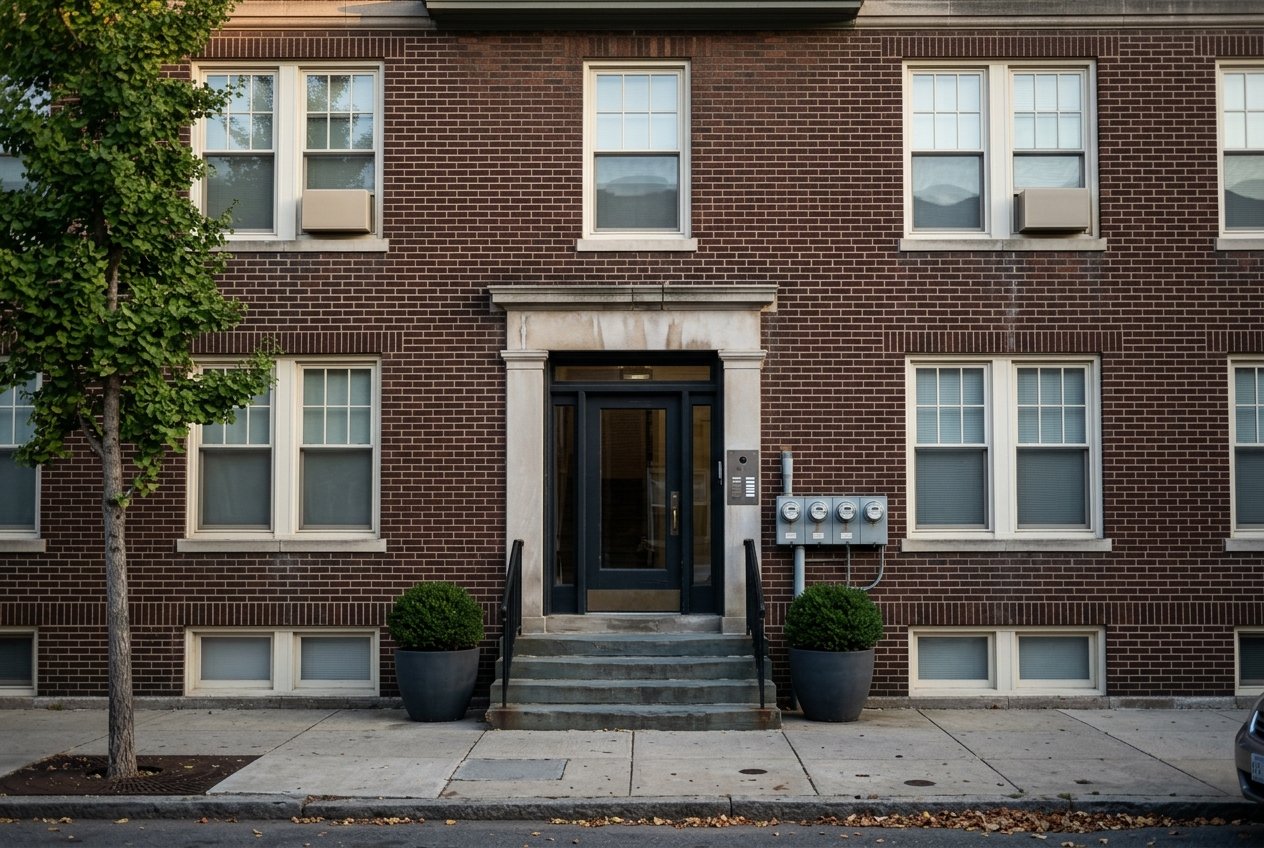
- Separate metering for retail vs. residential where applicable
- Boiler capacity, electrical panels and any elevator maintenance
- Financials
- Bank statements to substantiate reported income
- Utility bills for retail footprints
- Capex ledger and insurance claims history
- Market
- On-the-ground retail vacancy and foot traffic by daypart
- Competing storefront rents within three to six blocks
Red flags that often derail financing:
- Unresolved DOB violations or unpermitted storefront work
- Misclassified or unregistered rent-stabilized units
- Long-term retail vacancy without a credible leasing plan
- Restaurant infrastructure that lacks proper permits or active service records
- Heavy reliance on cash businesses with unverifiable deposits
How Sunset Park compares nearby
Compared with Park Slope and Greenwood Heights to the north, Sunset Park typically offers lower acquisition basis per unit, which can translate to higher yield if you pick strong retail corners. Those northern submarkets often achieve higher apartment rents but at higher purchase prices.
Compared with Bay Ridge to the south, Sunset Park sees a different daytime pattern given Industry City and the active commercial spine along Eighth Avenue. The result is a distinct tenant mix and more weekday activity in certain pockets. This context matters when you choose a block and underwrite daytime versus evening demand.
A simple action plan for your next deal
- Validate zoning. Pull the mapped district, overlay depth and CO. Note any (E) designations or historic alterations.
- Pressure-test the rent roll. Use neighborhood apartment medians for a sense check, then underwrite multiple retail rent and vacancy scenarios.
- Inspect restaurant infrastructure. Get eyes on hoods, grease traps and rooftop exhaust. Collect cleaning and suppression service logs.
- Order third-party reports early. Phase I ESA, violation searches and a building systems walkthrough save time later.
- Talk to at least three lenders. Include one community bank and one bridge lender so you can compare DSCR, LTV, recourse and covenants side by side.
- Build your reserve plan. Budget for storefront turnover and a compliance capex cushion, especially with food uses.
Ready to act in Sunset Park but want a local, deal-tested perspective on both brokerage and financing? Connect with The CS Organization for a valuation, targeted acquisition search, or a capital plan that fits today’s market.
FAQs
What makes Sunset Park mixed-use attractive in 2025?
- You get durable apartment income plus retail upside near active corridors and Industry City, with a lower entry basis than some nearby Brooklyn submarkets.
How does Industry City influence Sunset Park retail demand?
- With 650-plus businesses on campus, Industry City expands daytime population and foot traffic that can benefit nearby restaurants and services on the avenues.
What zoning checks are critical before buying in Sunset Park?
- Confirm the mapped district, commercial overlay depth, permitted uses, FAR, and pull the CO and DOB/violation history to uncover constraints early.
How do lenders underwrite ground-floor retail in mixed-use buildings?
- Lenders often cap commercial NOI, sensitize vacancy and DSCR, and push for estoppels, guarantees and tenant bank statements, especially for restaurants.
What are key restaurant compliance items in NYC mixed-use assets?
- Verify hood and ventilation, fire suppression, grease traps and ongoing FDNY/NFPA cleaning logs so you can budget capex and avoid enforcement shutdowns.