Deciding between a small multifamily or a condo in Bay Ridge can feel like two very different paths to the same goal: stable housing and smart equity growth. You want numbers that make sense, a loan that fits, and clarity on rules that affect cash flow. In this guide, you’ll learn how each option performs in 11209, how financing and regulations shape your returns, and what to check before you buy. Let’s dive in.
Bay Ridge housing mix at a glance
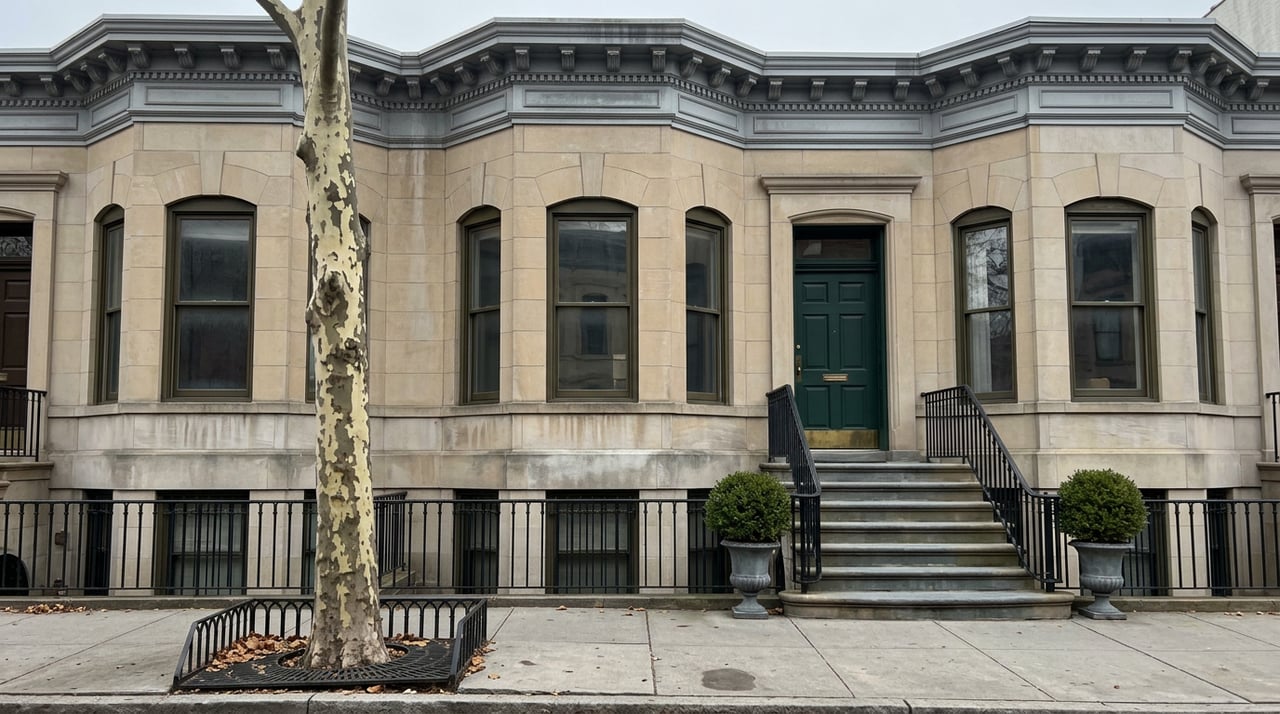
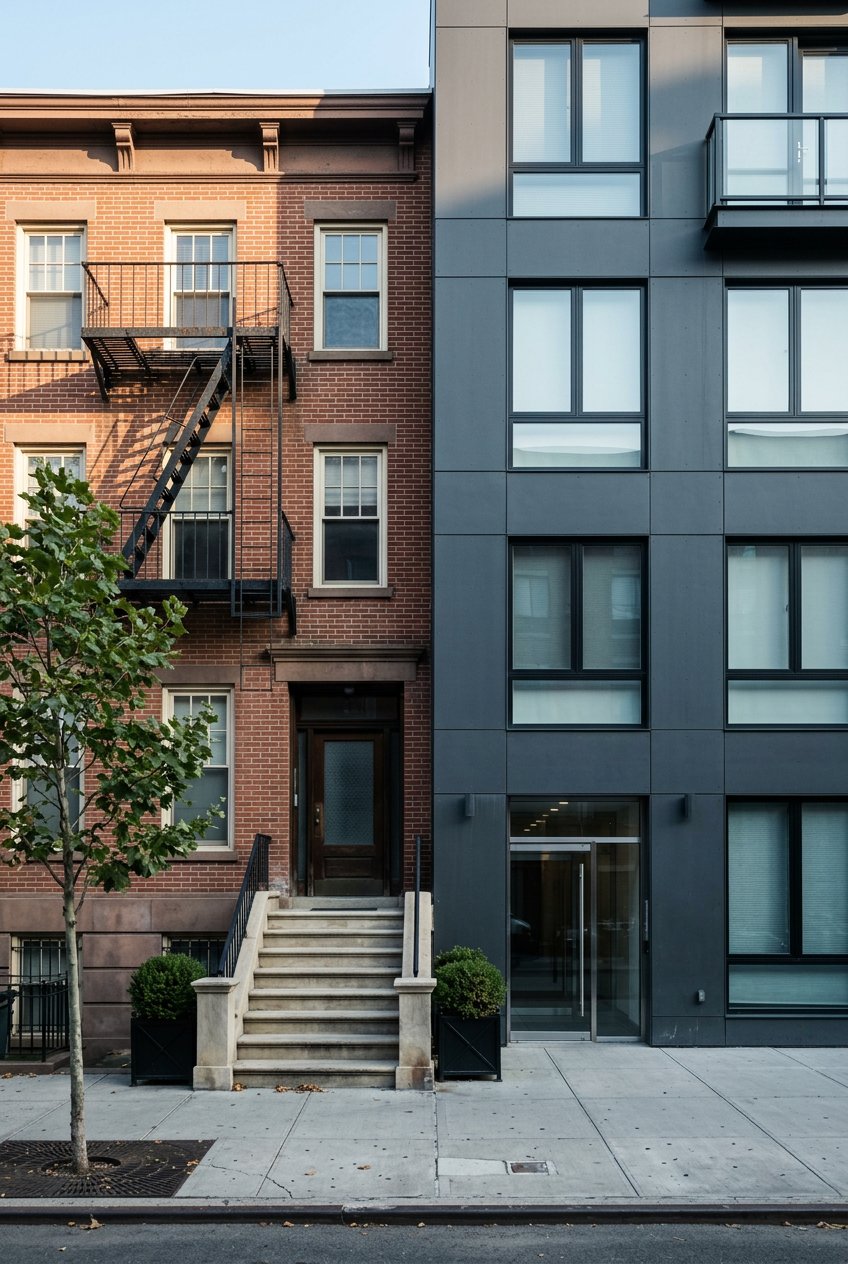
Bay Ridge’s housing stock is diverse. You’ll see prewar co‑ops, 2–6 unit walkups and rowhouses, and a growing set of condo conversions and mid‑rise buildings near main avenues and the waterfront. Public listings show active options across all categories in the neighborhood.
For buyers, this mix means you can compare very different ownership styles on the same blocks. A two or three unit building can help offset your housing costs with rent. A condo can offer simpler ownership with predictable building services.
Price and rent signals in 11209
Portal data varies by month and property mix, so treat any single number as a starting point. Recent reports show swings in the 11209 median sale price, including a spike in early 2026 noted by Redfin’s zip‑code page. Low sample sizes and a blend of co‑ops, condos, and small buildings can skew medians.
On the rental side, Bay Ridge 1–2 bedroom asking rents often sit around the low to mid‑$2,000s. Zumper’s neighborhood report recently showed a median near the mid‑$2,000s, with 1‑bedrooms around the high‑$1,000s to low‑$2,000s and 2‑bedrooms commonly in the upper‑$2,000s.
For decisions, lean on on‑block comps and recorded transfers. Use the city’s rolling sales reports to verify pricing by property type and building size.
What you actually own
Small multifamily (2–6 units)
You own the whole building and collect rent directly. The asset is typically taxed under NYC Tax Class 2. You handle property taxes, insurance, repairs, and compliance. Some buildings can include rent‑stabilized units based on size and age, which affects revenue and future upside.
Condo unit
You own a deeded apartment, pay your individual mortgage and property tax, and cover monthly common charges for building services. You get more control inside your unit and must follow HOA rules. Financing depends on the building’s approval and lender guidelines.
Co‑op share
You buy shares in a corporation and receive a proprietary lease. Monthly maintenance often includes your share of building taxes and any underlying mortgage, which can make the line item look higher even when it bundles more costs than a condo’s HOA. Co‑op boards set financial thresholds and sublet policies and must approve buyers.
Carrying costs: how monthly bills compare
- Small multifamily: You will model taxes, insurance, utilities where applicable, repairs, management, and reserves. For older walkups, a conservative operating expense ratio of about 35% to 50% of effective gross income is a common benchmark. Your exact ratio depends on taxes, insurance, and building condition.
- Condo: You pay unit taxes plus HOA dues. The sum of taxes and HOA often approximates co‑op maintenance, but the mix is different and you have fewer building‑level line items to manage directly.
- Co‑op: Maintenance typically includes your share of building tax and mortgage. This can simplify budgeting, though boards may have reserve or assessment needs that affect costs.
Regulations that shape returns
Rent stabilization caps near‑term increases on regulated units. For the Oct 2025 to Sep 2026 lease year, the NYC Rent Guidelines Board adopted 3% for one‑year renewals and 4.5% for two‑year renewals. Review current orders on the city’s rule page.
If a building has stabilized units, owners must register them annually with NYS Homes and Community Renewal. Missing or incorrect filings can create risk. Read the DHCR rent registration FAQs and confirm histories in diligence.
Also note property tax class. Small rental buildings, co‑ops, and condos generally fall in NYC Tax Class 2, which carries its own assessment and rate dynamics. Review the city’s tax class methodology when you model.
Financing: how your loan shapes the choice
Owner‑occupants and house hackers
If you plan to live in a 2–4 unit, your financing choices broaden. Fannie Mae recently introduced a 5% down option for owner‑occupied 2–4 unit properties, which can reduce upfront cash needs. See reporting on the program at The Mortgage Reports.
FHA also backs 1–4 unit owner‑occupied purchases with minimum down payments as low as 3.5% subject to credit, and 3–4 unit purchases include extra underwriting tests. Review FHA basics from HUD. Eligible veterans can explore VA loans that allow low to zero down on 2–4 unit owner‑occupied purchases, subject to VA rules.
Investors and non‑owner buyers
If you do not plan to occupy the property, lenders often use investor or DSCR products for 2–4 units and commercial underwriting for 5+ units. Expect higher down payments, rental‑income‑based sizing, and longer timelines. See a DSCR overview and common requirements from Gustan Cho.
Condos and co‑ops
Condo loans depend on the project’s eligibility with agencies or the lender. Non‑warrantable buildings may require larger down payments or portfolio loans. Co‑ops use share loans, and many lenders and boards apply stricter ratios, post‑closing reserves, and approval steps that can extend timelines.
Cash flow and yield: simple framework
To compare a small multifamily with a condo, model the same way each time.
Estimate gross rent. Use current neighborhood asks to sanity‑check your inputs. The latest Bay Ridge rent data can help set starting points by bedroom count.
Apply vacancy. A 5% allowance is a common starting estimate for simple underwriting.
Model expenses. For small multifamily, use a 35% to 50% ratio of effective gross income depending on age and services. For condos, add unit taxes and HOA then budget insurance for contents and any owner expenses.
Calculate NOI and cap rate. NOI divided by price equals the going‑in cap rate. Remember that free‑market units often trade at lower cap rates than regulated assets, and smaller renovated buildings can show tighter yields.
Illustrative example: A 3‑unit at $1.5M with three market‑rate 2‑bedrooms at $2,800 each produces $100,800 gross annually. After 5% vacancy, EGI is about $95,760. At a 40% expense ratio, NOI is about $57,456. That pencils to a roughly 3.8% going‑in cap rate. Sensitivity test different rents, taxes, and insurance, since those are your biggest drivers.
Who should buy what
If you want to offset your housing cost
A 2–4 unit can be compelling if you plan to occupy one unit and use FHA, VA, or the new 5% down conventional option. You will take on tenant and building duties, but the rent can meaningfully reduce your monthly outlay.
If you want simpler ownership
A condo in a financially sound, well‑managed building can offer predictable costs and less day‑to‑day work. Review building budgets, reserves, capital projects, and sublet rules if you plan to rent the unit.
If you value long‑term upside and can operate
A small multifamily with mostly free‑market units can provide more control over income and expenses. Price per unit varies widely in Bay Ridge depending on size, condition, and rent status. Build your model around specific unit histories and planned upgrades, not neighborhood medians.
Due diligence checklist for Bay Ridge
- Pull recorded sales and on‑block comps with the city’s rolling sales reports. Focus on building size, rent status, and condition.
- Confirm DHCR rent registrations and unit histories if the building could be stabilized. Review HCR guidance.
- Verify tax class and recent or projected tax changes under Class 2 using the city’s methodology. Stress test taxes in your model.
- Get insurance quotes early. Premiums have been a key driver of expense growth in recent years.
- For condos, ask your lender about project eligibility and overlays. For co‑ops, review financials, policies on subletting, reserves, and buyer liquidity rules.
- Secure pre‑approval that matches your plan. Owner‑occupied 2–4 units and investor DSCR loans have very different underwriting and timelines.
Work with a local advisor
Choosing between a small multifamily and a condo in Bay Ridge comes down to your cash, time, and risk tolerance. If you want the best of both worlds, start with clear underwriting, a precise comp set, and a financing plan that fits the asset. If you want help, The CS Organization blends neighborhood brokerage, capital advisory, and property management insight so you can buy, finance, or sell with confidence. Ready to compare options on your block? Connect with The CS Organization to request a valuation or schedule a consultation.
FAQs
What is the main difference between a small multifamily and a condo in Bay Ridge?
- A small multifamily means you own the whole building and manage operations. A condo means you own one unit, pay HOA dues, and follow building rules.
How do 11209 prices and rents compare across property types?
- Medians vary by month and mix. Redfin’s 11209 page shows sale price swings, while Zumper reports typical 1–2 bedroom rents in the low to mid‑$2,000s. Always verify with local comps and leases.
Can I buy a 2–4 unit in Bay Ridge with a low down payment?
- Yes, if you will live in the building. Fannie Mae now permits 5% down for owner‑occupied 2–4 units, and FHA allows low down payments with added rules for 3–4 units.
What should I know about rent stabilization in Bay Ridge?
- Stabilized units follow rent caps set by the NYC Rent Guidelines Board and require annual DHCR registration. These rules limit near‑term rent growth and affect value.
Do condos or co‑ops close faster than small multifamily in NYC?
- Condos can often close in 30 to 60 days with standard loans. Co‑ops and multifamily investor loans tend to take longer due to board approvals or commercial‑style underwriting.
How are taxes handled for small multifamily and condos in 11209?
- Both typically fall under NYC Tax Class 2. Always review current assessments, recent bills, and potential changes, since taxes are a major driver of monthly costs.