Looking at Gravesend and wondering whether it fits your goals as a buyer or investor? That is a smart question, because this part of Brooklyn offers a mix that can be hard to find: low-rise housing, established retail corridors, and broad transit access in a neighborhood-scale setting. If you want a clearer picture of what Gravesend looks like on the ground, how its housing stock trades, and what to keep in mind before you buy, this guide will walk you through the essentials. Let’s dive in.
What Gravesend Feels Like
Gravesend sits within Brooklyn Community Board 13, alongside Brighton Beach, Coney Island, and Sea Gate. According to Brooklyn Community Board 13, the area is part of a larger South Brooklyn district with a long-established local identity.
City planning materials also describe the area around Gravesend Neck Road and McDonald Avenue as the historic town center of Gravesend. The surrounding neighborhood is noted as predominantly low-density residential, with commercial activity concentrated along major corridors, which helps explain why Gravesend often feels residential without feeling isolated.
Housing Stock In Gravesend
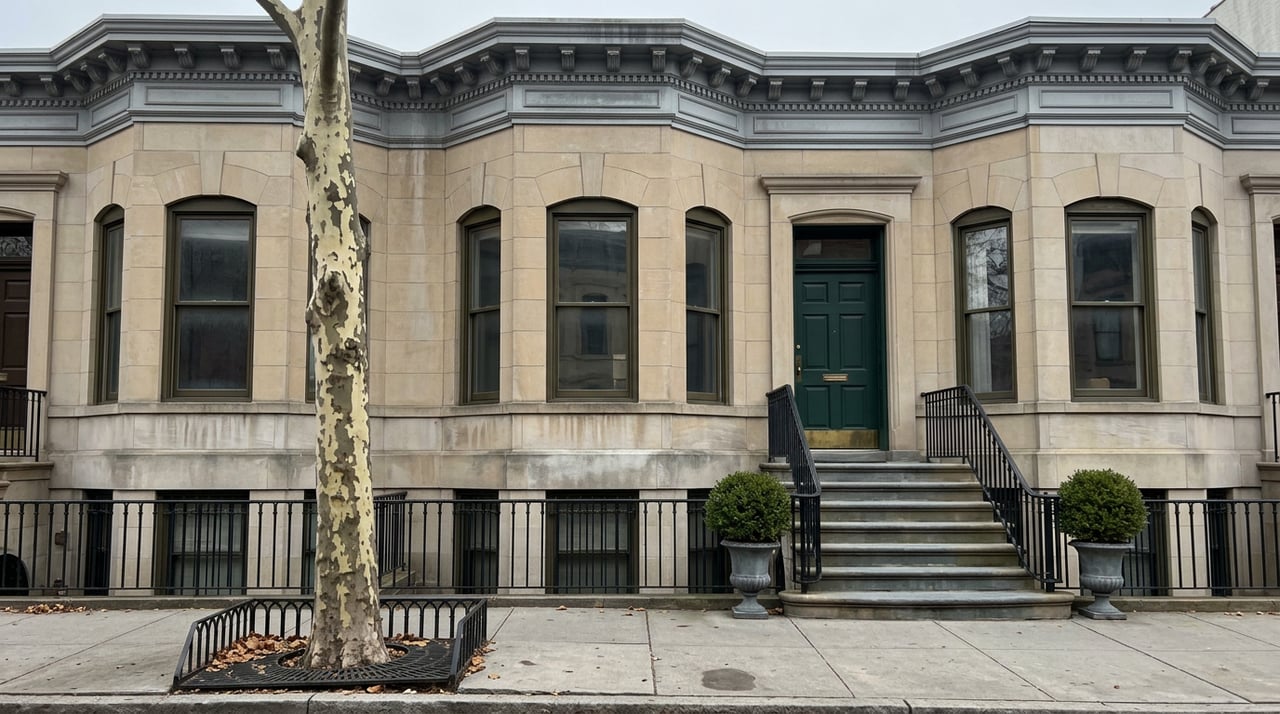
If you are buying here, the housing form matters. NYC Planning documents describe Gravesend Neck Road as a narrow street lined primarily with 2- to 3-story one- and two-family homes, along with some one-story industrial and institutional buildings.
More broadly, the same planning source says the surrounding area is largely made up of low-density residential houses. Higher-density residential development appears closer to Shore Parkway, so the neighborhood can shift depending on the exact block you are evaluating.
For many buyers, that means Gravesend offers a built environment defined more by houses and small buildings than by towers. For investors, it suggests a neighborhood where small-scale assets may align better with the existing fabric than a large redevelopment approach.
Gravesend Home Prices By Property Type
Sales activity in 2024 shows a market with meaningful volume across one-, two-, and three-family properties. Based on the NYC 2024 Brooklyn home sales report, Gravesend posted the following median sale prices:
| Property Type | Median Sale Price | Number of Sales |
|---|---|---|
| One-family home | $960,000 | 47 |
| Two-family home | $1,160,000 | 95 |
| Three-family home | $1,425,000 | 32 |
These figures are useful for both buyers and investors. If you are purchasing for your own use, they provide a starting point for budgeting by property type. If you are investing, they point to an active small-building market, especially in two-family and three-family assets.
Why Buyers Look At Gravesend
For owner-occupants, Gravesend offers a practical mix of space, neighborhood retail, and transit options. The area’s low-rise character may appeal to buyers who want a more residential streetscape while still staying connected to the rest of Brooklyn and beyond.
Another strength is convenience. Commercial corridors such as McDonald Avenue, 86th Street, Bay Parkway, Kings Highway, Avenue U, Coney Island Avenue, Avenue X, and Brighton Beach Avenue support daily errands, dining, and services, according to NYC Planning materials.
Nearby recreation also adds to the appeal. Gravesend Park, Calvert Vaux Park along Gravesend Bay, and the Coney Island Boardwalk and New York Aquarium area give you access to open space and waterfront destinations without leaving the broader area.
Why Investors Pay Attention
Gravesend may be especially interesting if your strategy centers on one-, two-, or three-family assets rather than large-scale redevelopment. The 2024 sales data show a functioning market for these property types, which supports the idea of a neighborhood better suited to small-to-mid market acquisitions.
That matters if you are looking for opportunities where local knowledge can make a difference. In a neighborhood like Gravesend, understanding block-by-block context, corridor activity, and the relationship between transit and housing type can shape a better acquisition decision.
For investors evaluating income-producing or flexible-use small buildings, the local pattern of low-rise housing and active commercial corridors can be worth close attention. It creates a framework where neighborhood fit, access, and property configuration may matter as much as headline pricing.
Transit Access In Gravesend
One of Gravesend’s most useful advantages is transit coverage. While the neighborhood has a low-rise feel, it still connects to several subway lines and bus routes, giving residents more than one way to move through South Brooklyn.
According to the MTA subway map for the F line, Gravesend has F service at Avenue U and Kings Highway. N service is available at Bay Parkway, Kings Highway, Avenue U, and 86th Street, while the Coney Island-Stillwell Av terminal on the southern edge connects to D, F, and Q service.
Bus access also supports mobility across the area. MTA Brooklyn Bus Network Redesign materials describe the B3, B6, and B82 as connections linking Gravesend with Bergen Beach, East New York, and Spring Creek Towers.
For buyers, that can translate into more flexibility for commuting and daily errands. For investors, broad transit access can help support long-term demand across a range of household needs and travel patterns.
Commercial Corridors That Shape Daily Life
In Gravesend, location is not just about the address. It is also about your relationship to the neighborhood’s main corridors, because these streets shape convenience, visibility, and day-to-day rhythm.
McDonald Avenue, 86th Street, Bay Parkway, Kings Highway, Avenue U, Coney Island Avenue, Avenue X, and Brighton Beach Avenue all play a role in how the area functions. Some properties feel tucked into residential blocks, while others benefit from quicker access to retail, transit, and neighborhood services.
If you are buying for personal use, think about how often you want to walk to shopping, dining, or transit. If you are investing, consider how corridor access may influence a property’s usability, tenant appeal, or long-term positioning.
Due Diligence Matters Near The Waterfront
Not every part of Gravesend carries the same considerations. The broader Community Board 13 district has emphasized Sandy recovery and future resiliency, which makes site-specific review especially important for properties closer to Gravesend Bay or Coney Island Creek.
That does not mean every property faces the same level of risk. It does mean you should approach flood exposure, insurance costs, and physical site conditions carefully when evaluating assets in locations closer to the water.
A disciplined review can include:
- Checking exact property location relative to nearby waterfront areas
- Reviewing flood and insurance implications during underwriting
- Looking closely at building condition and site-specific factors
- Avoiding broad assumptions based on neighborhood name alone
This is one of those areas where local guidance can save you time and reduce surprises.
How To Approach A Gravesend Purchase
If you are serious about buying in Gravesend, start by matching your goal to the neighborhood’s actual housing profile. A buyer looking for a primary residence may focus on block feel, transit access, and proximity to retail corridors, while an investor may prioritize property type, income potential, and site-specific diligence.
It also helps to stay grounded in the difference between neighborhood identity and property-level reality. Gravesend has a clear low-rise residential pattern, but pricing, density, and convenience can vary depending on where you are in the neighborhood and how close you are to key corridors or Shore Parkway.
A clear acquisition plan usually comes down to a few basics:
- Define whether you are buying to live in the property, hold it, or reposition it
- Compare one-, two-, and three-family pricing with your budget or return targets
- Evaluate transit and corridor access based on your intended use
- Review waterfront and resiliency considerations where relevant
- Work with an advisor who understands both neighborhood dynamics and deal execution
If you are weighing a purchase, sale, or investment strategy in South Brooklyn, The CS Organization can help you evaluate opportunities with local market insight and a practical, execution-focused approach.
FAQs
What type of housing is most common in Gravesend, Brooklyn?
- Gravesend is primarily characterized by low-density residential housing, including many 2- to 3-story one- and two-family homes, according to NYC Planning documents.
What are Gravesend home prices for one-, two-, and three-family properties?
- In the 2024 Brooklyn home sales report, median sale prices in Gravesend were $960,000 for one-family homes, $1,160,000 for two-family homes, and $1,425,000 for three-family homes.
Is Gravesend a good neighborhood for small property investors?
- Gravesend may appeal to small-to-mid market investors because current sales activity points to an active market in one-, two-, and three-family properties rather than a large-scale redevelopment pattern.
What subway lines serve Gravesend in Brooklyn?
- Gravesend has access to F service at Avenue U and Kings Highway, N service at Bay Parkway, Kings Highway, Avenue U, and 86th Street, plus D, F, and Q service at the Coney Island-Stillwell Av terminal on the neighborhood’s southern edge.
What should buyers check before purchasing near Gravesend Bay or Coney Island Creek?
- Buyers should complete site-specific due diligence, including review of flood exposure, insurance considerations, and property conditions, especially for assets closer to Gravesend Bay or Coney Island Creek.