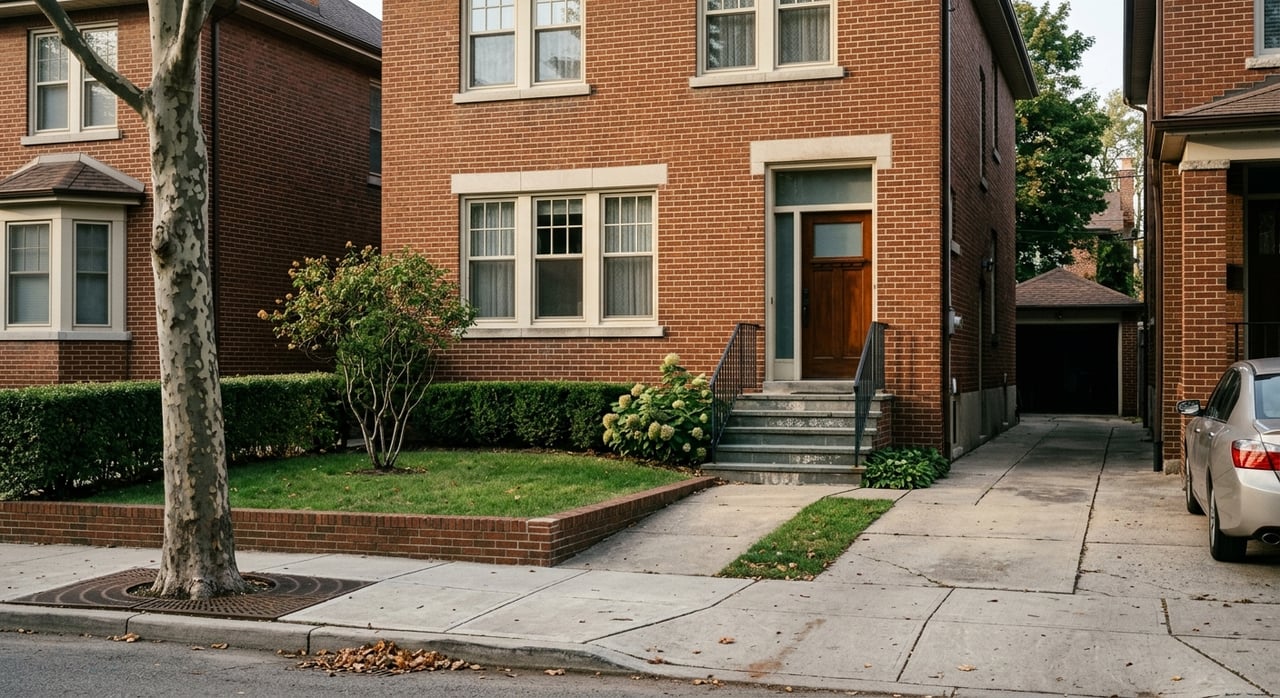
If you only know Dyker Heights for its famous holiday displays, you are seeing just one season of the story. The bigger picture is a low-rise Brooklyn neighborhood shaped by detached homes, local retail corridors, and a quieter day-to-day rhythm than many buyers expect. If you are thinking about buying, selling, or simply understanding property here, this guide will help you see what really drives value in Dyker Heights. Let’s dive in.
What Dyker Heights feels like year-round
Dyker Heights is a largely residential neighborhood in southwest Brooklyn, within Community District 10. According to the NYC Department of City Planning, the area is known for one- and two-family homes, detached and semi-detached properties, rowhouse blocks, and neighborhood retail streets.
That built form matters because it shapes your daily experience. Instead of a dense, high-rise environment, you get a neighborhood with a more low-rise, residential feel. The area's holiday lights may draw seasonal attention, but the year-round identity is much calmer and more local.
The neighborhood also has a long-established physical character that the city has actively tried to preserve. The 2007 Dyker Heights/Ft. Hamilton rezoning was designed to protect the area’s lower-scale pattern and limit out-of-context oversized development. For buyers and sellers, that helps explain why so much of Dyker Heights still feels visually consistent block to block.
Why the housing stock stands out
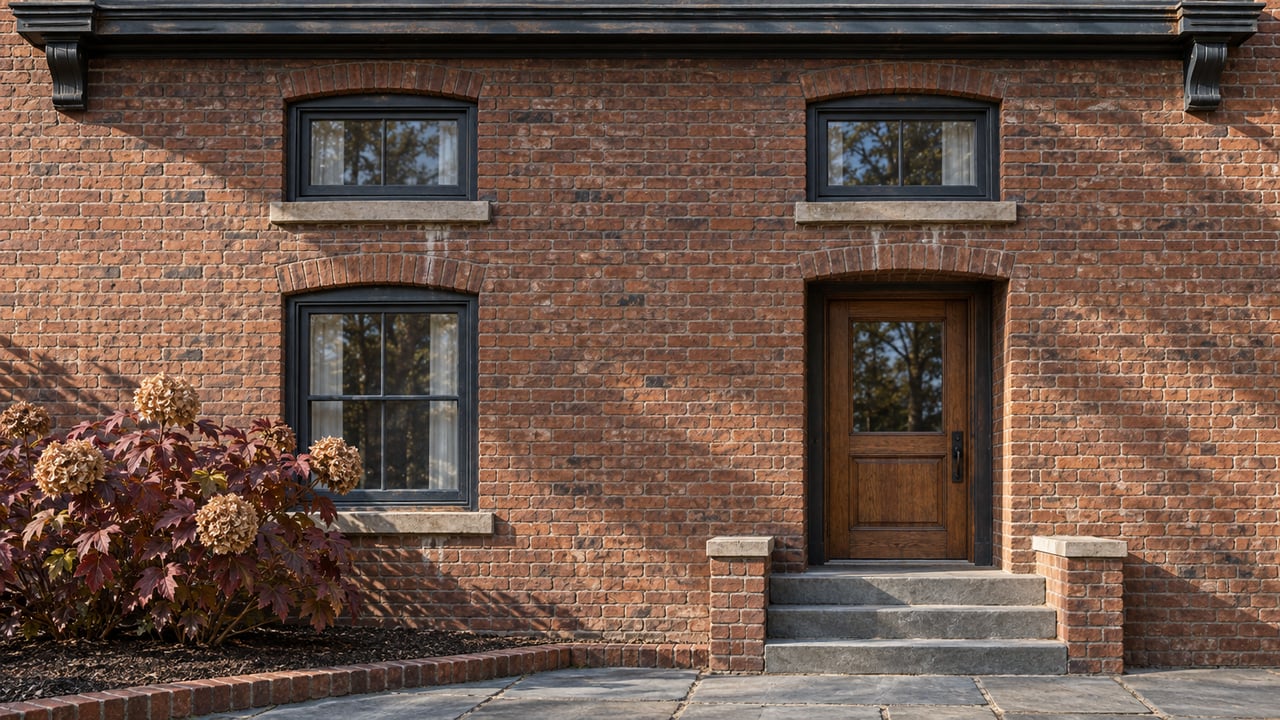
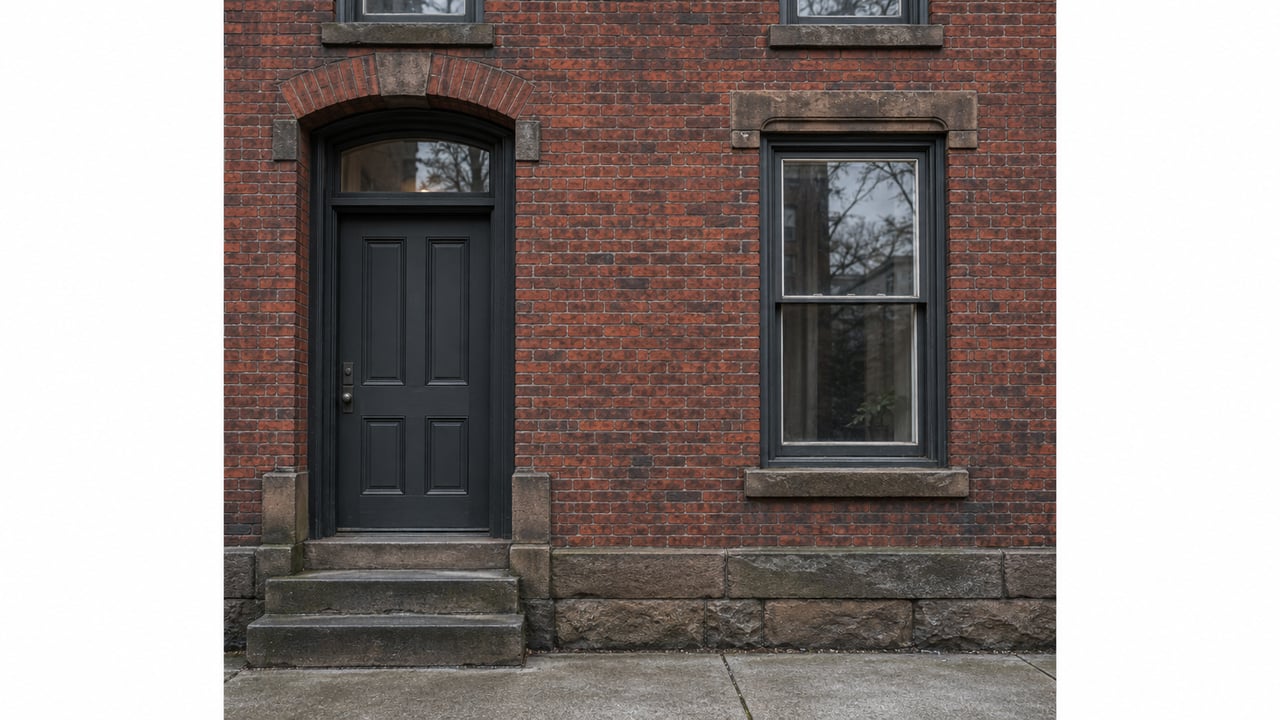
One of Dyker Heights’ biggest differentiators is its housing mix. Many of the blocks that attract homebuyers feature detached or semi-detached one- and two-family homes, which can feel less common in other parts of Brooklyn. The city’s planning documents also note that some larger lots reflect the neighborhood’s late-19th- and early-20th-century mansion-era history.
That does not mean every property looks the same or fits one budget. Dyker Heights includes a range of lot sizes, building configurations, and uses, which can create major differences in pricing and buyer appeal. In practice, two homes only a few blocks apart may compete in very different price bands.
On the commercial edges, the building pattern shifts. Along streets like 86th Street, Fort Hamilton Parkway, 11th Avenue, and 13th Avenue, planning guidance supports more mixed-use and moderate-density forms, including two- to four-story rowhouses with ground-floor retail. That creates a meaningful distinction between interior residential blocks and busier corridor properties.
Property types you may find
If you are exploring Dyker Heights real estate, it helps to think in categories rather than assuming a single neighborhood standard.
Detached and semi-detached homes
These are some of the most recognizable properties in the neighborhood. They often appeal to buyers looking for more separation between homes and a more traditional residential streetscape.
One- and two-family houses
These properties define much of the neighborhood fabric. Depending on layout and condition, they may attract owner-occupants, multigenerational households, or buyers looking for flexible living arrangements.
Mixed-use corridor buildings
On the retail corridors, mixed-use buildings add another layer to the market. These properties can combine residential space with street-level commercial use, which makes them a different product type from a standard house on an interior block.
Larger multi-family opportunities
While Dyker Heights is best known for low-rise homes, listing activity shows that larger multi-family properties are part of the local mix as well. That is one reason pricing can vary so widely across the neighborhood.
Why prices vary so much
One of the most important things to understand about Dyker Heights is that it is not a single-price market. Current StreetEasy area data shows listings ranging from about $1.08 million for a single-family house to about $1.7 million for a mixed-use building and roughly $2.55 million for a seven-bedroom multi-family property.
That spread reflects real differences in value drivers. Lot size, building type, configuration, condition, and allowable use all affect pricing. A renovated detached house and a mixed-use property may sit in the same neighborhood, but buyers are valuing very different things.
Broader market trackers also measure the area differently. As of late March 2026, StreetEasy reports 41 homes for sale with a median asking price of $1.288 million and a median rent of $2,800 across 9 rentals, while Zillow’s home value index places the average home value at $1,162,415, up 4% year over year. The takeaway is simple: if you want to understand value in Dyker Heights, you need to compare like with like.
What shapes value in Dyker Heights
Several practical factors tend to influence how properties are perceived in this neighborhood.
Block type and setting
Interior residential blocks often offer a quieter feel than the neighborhood’s busier edges. For many buyers, that difference affects both lifestyle fit and pricing expectations.
Property configuration
A single-family home, a two-family house, and a mixed-use building serve different needs. That may sound obvious, but it is one of the biggest reasons broad neighborhood averages can only tell you so much.
Lot size and scale
The area includes some larger lots that stand out from standard Brooklyn dimensions. When lot size increases, value often moves with it, especially in a neighborhood where the prevailing built form has been intentionally preserved.
Condition and updates
Even within the same property type, condition matters. Buyers may price renovated homes differently from properties that need significant updates, especially when comparing detached and semi-detached options.
Retail streets and daily convenience
A property guide is not just about buildings. It is also about how the neighborhood works once you live there.
In Dyker Heights, everyday retail is concentrated along 13th Avenue and the 86th Street corridor, with additional activity on Fort Hamilton Parkway and 11th Avenue. Brooklyn Community Board 10 describes these as commercial corridors with street-level retail, and notes that the 86th Street BID includes both independent businesses and a growing number of chain stores.
For you as a buyer or seller, that means convenience tends to cluster along these corridors rather than being evenly distributed through every block. Homes closer to retail may offer easier day-to-day access, while homes deeper in the neighborhood may feel more removed from commercial activity. Neither is automatically better. It depends on what you value most.
Parks and open space matter here
Dyker Beach Park is one of the neighborhood’s defining amenities. NYC Parks lists the park at 216.66 acres and notes features including playgrounds, ballfields, handball courts, bocce courts, and a spray shower, along with a CityParks Junior Golf Center link.
That scale is meaningful in a Brooklyn housing search. Access to a large park can shape how a neighborhood feels on weekends, after work, and across seasons. StreetEasy also notes that the area includes a large golf course, which adds to the sense that open space is a real part of the local identity.
If you are comparing Dyker Heights with denser neighborhoods, this is one of the clearest lifestyle differences. The combination of low-rise housing and a major park presence gives the area a more spacious feel than many buyers first expect.
Transit is strongest on the edges
Transit access in Dyker Heights is real, but it is not evenly centered through the neighborhood. According to MTA subway maps, the D train stops at 79 St on New Utrecht Avenue, the R train stops at Bay Ridge Ave, 77 St, 86 St, and Bay Ridge-95 St, and the N train stops at 8 Av and Fort Hamilton Pkwy. The MTA also lists the B8 and B70 as direct Dyker Heights bus routes.
The practical takeaway is that many interior blocks feel more bus- and car-oriented than subway-centered. Stations are generally on the edges rather than in the middle of the neighborhood, which can shape how buyers think about commute convenience. If transit access is a top priority for you, block-level location matters.
What buyers should watch for
If you are buying in Dyker Heights, start by defining the property type that fits your goals. This is especially important in a neighborhood where detached houses, semi-detached homes, one- and two-family properties, and mixed-use assets can all exist within a relatively tight geography.
It also helps to focus on a few practical questions:
- Do you want a quieter interior block or easier access to retail corridors?
- Are you comparing single-family and two-family homes, or are you also open to mixed-use properties?
- How important is proximity to park space?
- Do you need quick subway access, or does bus access work for your routine?
- Are you evaluating a move-in-ready home or a property that may need updates?
The more clearly you answer those questions, the easier it becomes to judge whether an asking price makes sense. In Dyker Heights, broad averages are useful for context, but they should never replace a property-specific analysis.
What sellers should keep in mind
If you are selling in Dyker Heights, accurate positioning is critical. Because the market includes multiple product types and a wide pricing range, your property should be evaluated against truly comparable inventory, not just neighborhood-wide averages.
A detached home on a larger lot may need a very different pricing strategy from a semi-detached house or a mixed-use corridor property. The same goes for marketing. Buyers looking for a quiet residential setting are often searching for something different from buyers evaluating a retail-anchored building.
This is where local nuance matters. The strongest sale strategy often starts with understanding how your block, lot, layout, and use fit into the broader neighborhood pattern.
If you want clear guidance on how your home, mixed-use asset, or investment property fits into the current Dyker Heights market, The CS Organization can help you evaluate the opportunity and plan your next step with a practical, neighborhood-informed approach.
FAQs
What kinds of homes are most common in Dyker Heights?
- Dyker Heights is primarily known for one- and two-family homes, including many detached and semi-detached properties, along with some rowhouse blocks and mixed-use buildings on commercial corridors.
Is Dyker Heights only known for holiday lights?
- No. The holiday displays are well known, but the neighborhood’s year-round identity is a low-rise residential area with local retail streets, park access, and a quieter everyday feel.
How much do homes in Dyker Heights cost?
- Prices vary widely by property type, lot size, condition, and use. StreetEasy area data shows a broad range, which is why it is important to compare similar properties rather than rely on one average number.
Where are the main shopping streets in Dyker Heights?
- The main retail activity is concentrated along 13th Avenue and 86th Street, with additional commercial activity on Fort Hamilton Parkway and 11th Avenue.
How convenient is transit in Dyker Heights?
- Transit is strongest on the neighborhood edges, with nearby D, R, and N train access and direct bus routes including the B8 and B70. Interior blocks may feel more bus- or car-oriented than subway-centered.
Why do property values differ so much within Dyker Heights?
- Values can differ significantly because the neighborhood includes detached homes, semi-detached homes, one- and two-family houses, mixed-use buildings, and larger multi-family properties, all with different lot sizes and conditions.