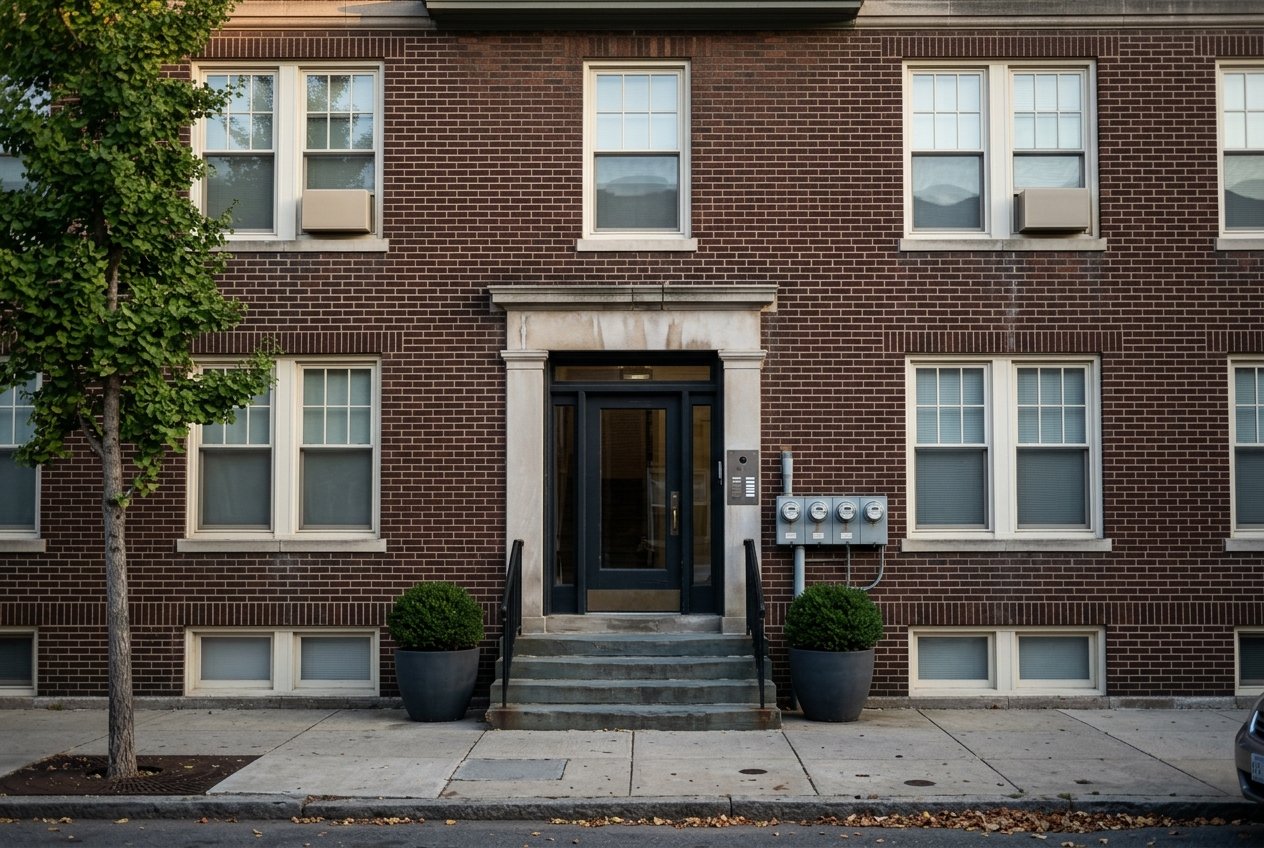
If you own a multifamily building in Gravesend, picking the right asking price can shape your entire sale. Price too high, and you may lose serious buyers when the numbers do not hold up. Price too low, and you risk leaving value on the table. The good news is that a smart pricing strategy is not guesswork. It comes down to income, comparable sales, building details, and what buyers and lenders can actually support. Let’s dive in.
Start With Income, Not Hope
In New York City, multifamily pricing starts with the building’s income. The NYC Department of Finance values tax class 2 properties as income-producing assets, using income, expenses, and a model based on similar properties by size, location, unit count, and age.
That matters because your pricing should reflect what the property actually earns today. In Gravesend, buyers, appraisers, and lenders will all look closely at cash flow, not just neighborhood demand or a seller’s target number.
New York State valuation standards also support this approach. Appraisers are expected to weigh both the sales comparison approach and the income capitalization approach when reliable rent, expense, cap rate, vacancy, and lease data are available.
Price for Three Audiences
When you bring a Gravesend multifamily building to market, you are not only pricing for the buyer. You are also pricing for the appraiser and the lender.
That is important because a deal can fall apart even after you accept an offer. If the appraised value or lender underwriting does not support the contract price, the buyer may need to renegotiate, bring in more cash, or walk away.
Fannie Mae identifies debt service coverage ratio, or DSCR, as a core underwriting metric. Freddie Mac also requires multifamily appraisals to show that the market value conclusion is adequately supported. In simple terms, your best asking price is one that can survive full review from everyone involved in the transaction.
Use Gravesend Comps, Not Broad Averages
Brooklyn remains an active multifamily market, but borough-wide numbers only tell part of the story. In 1H25, Brooklyn recorded 282 multifamily transactions with just over $2 billion in volume, and reported average cap rates moved into the high-6s to mid-7s depending on the sample.
Those figures are helpful for context, but they should not drive your exact asking price. The stronger pricing anchor is recent neighborhood-scale sales that match your building’s unit count, age, condition, and regulatory profile.
NYC Finance’s 2024 Brooklyn sales records show several Gravesend four-unit walkup sales, including properties on West 10th Street, West 13th Street, West 1st Street, West 4th Street, and Bay 37th Street. Recorded prices ranged from about $1.22 million to $1.86 million, or roughly $305,000 to $465,000 per unit before adjusting for condition, rent roll, and capital needs.
That is a wide range for a reason. Even among similar pre-war properties, value can shift materially based on rent levels, deferred maintenance, and how easily a buyer can underwrite the building.
Why Cap Rate and Price Per Unit Both Matter
Many sellers ask whether they should price off cap rate or price per unit. In Gravesend, the answer is both.
Cap rate helps set the income-based ceiling. If the building’s net operating income does not support the price, buyers and lenders will likely push back.
Price per unit helps test your number against what the market has recently paid for comparable assets. If your building is materially above recent local sales without a clear reason, that can slow activity and reduce leverage during negotiations.
A strong pricing strategy blends both methods. You want a number that makes sense on paper and in the market.
Unit Mix Can Change Value Fast
Not all multifamily buildings trade the same way. A four-unit free-market building in Gravesend may attract a very different buyer pool than a larger rent-regulated asset with limited near-term rent growth.
That difference has become more visible in the current Brooklyn market. GREA reported average cap rates of 7.57 percent for 10-plus-unit multifamily transactions in 1H25, while Ariel Property Advisors reported that free-market properties led Brooklyn sales activity in 2025 and were driven mainly by all-cash buyers focused on long-term holds.
The practical takeaway is simple. Buyers tend to pay more confidently when income is durable and operational flexibility is higher.
Rent Stabilization Changes the Math
If your building includes rent-stabilized units, pricing needs extra care. In New York City, rent stabilization generally applies to buildings with six or more units built before January 1, 1974, and to some buildings with three or more units that received certain tax benefits such as 421-a or J-51.
The New York State Attorney General notes that rent-stabilized tenants receive annual guideline-based rent increases, renewal rights, and service protections. Vacancy and longevity bonuses are no longer allowed, and owners of rent-stabilized buildings must file annual registrations through DHCR.
For a seller, this means the buyer is likely to underwrite current income conservatively. If legal rents are low relative to market or turnover is limited, that usually affects valuation.
This does not mean stabilized units always reduce value in every situation. It does mean the building should be priced on realistic cash flow, not on aggressive future rent assumptions.
Condition Matters More in Pre-War Stock
Many Gravesend multifamily buildings are older walkups from the 1920s and early 1930s. That makes condition a major part of pricing.
Two buildings with the same unit count can trade at very different numbers if one has updated systems, cleaner common areas, and fewer near-term repairs. Deferred maintenance can lower buyer confidence and reduce what a lender is willing to support.
Before setting a price, take an honest look at capital needs. Roof work, boiler issues, façade repairs, outdated apartments, and compliance gaps can all affect value.
Small Buildings Still Have a Buyer Pool
If you own a 2- to 6-unit building, you are not stuck in a thin market. Smaller multifamily assets are still active in Brooklyn.
Alpha Realty’s Q1 2026 citywide report showed Brooklyn as the most active borough by multifamily deal count, with 105 transactions and $502.4 million in volume. Of those Brooklyn deals, 83 were sub-10-unit buildings.
That is encouraging for local owners in Gravesend. It shows demand is not limited to larger institutional trades. Neighborhood-scale assets still attract attention when pricing and presentation are handled correctly.
Build an Audit-Ready Income File
One of the smartest ways to protect your pricing is to prepare your documents well before listing. Clean records make it easier for buyers to underwrite quickly and with confidence.
NYC Finance notes that if an income-producing property does not file RPIE on time, the city may estimate value using other information, which may not work in the owner’s favor. For rent-stabilized buildings, annual registrations are also required.
Before going to market, organize these items:
- Current rent roll
- Trailing expense history
- Lease expiration schedule
- DHCR registration status, if applicable
- Records of recent repairs or capital improvements
- Details on vacancies and turnover
When your file is complete, buyers spend less time guessing. That often leads to stronger offers and smoother due diligence.
Expect Conservative Lender Review
Even in a healthy market, lender standards matter. Fannie Mae’s Q1 2025 multifamily book of business reported a weighted-average original loan-to-value ratio of 63 percent and a weighted-average DSCR of 2.0 times.
You do not need to memorize those figures to understand the message. Lenders are still focused on supportable leverage and durable debt coverage.
So if your asking price only works with stretched assumptions, financing may become a problem. A better strategy is to price where the building’s in-place income can hold up under normal underwriting.
A Practical Gravesend Pricing Roadmap
If you are preparing to sell, this is the clearest way to think about pricing:
Start with actual NOI Use real rents and expenses, not best-case projections.
Review true local comps Focus on Gravesend or nearby sales with similar unit count, age, and regulation status.
Adjust for condition Account for deferred maintenance, recent upgrades, and expected capital costs.
Separate market-rate from stabilized value Buyers do this in underwriting, so your pricing should too.
Pressure-test against financing Ask whether a lender and appraiser can reasonably support the number.
Prepare documents early A well-organized income file can protect value during negotiations.
The Right Price Creates Leverage
A well-priced Gravesend multifamily property does more than attract clicks. It creates credibility.
When buyers see a number backed by real income, relevant comps, and a clear story around unit mix and condition, they are more likely to engage seriously. That can shorten time on market, reduce renegotiation risk, and improve your position when offers come in.
In a market where buyers are paying close attention to cash flow and regulation, the strongest pricing strategy is usually the one that feels disciplined, local, and fully supportable.
If you are weighing a sale in Gravesend and want a pricing strategy built around real neighborhood comps, cash flow, and lender-ready positioning, The CS Organization can help you evaluate the building and plan your next move with clarity.
FAQs
How should you price a Gravesend multifamily building?
- You should usually price it using both income and comparable sales, with close attention to unit count, condition, and whether rents are market-rate or regulated.
Why does rent stabilization affect a Gravesend sale price?
- Rent stabilization can limit near-term rent growth and lead buyers to underwrite more conservatively, which often affects the cap rate and overall value.
What sales data matters most for Gravesend multifamily pricing?
- The most useful sales data is recent neighborhood-scale comps with similar age, size, unit mix, and regulatory profile, rather than broad Brooklyn averages alone.
Does building condition really change Gravesend multifamily value?
- Yes. Many local buildings are older pre-war properties, so deferred maintenance and capital repair needs can materially affect what buyers will pay.
Are small multifamily buildings in Brooklyn still selling?
- Yes. Recent Brooklyn market data showed strong activity in sub-10-unit transactions, which supports an active buyer pool for smaller Gravesend buildings.